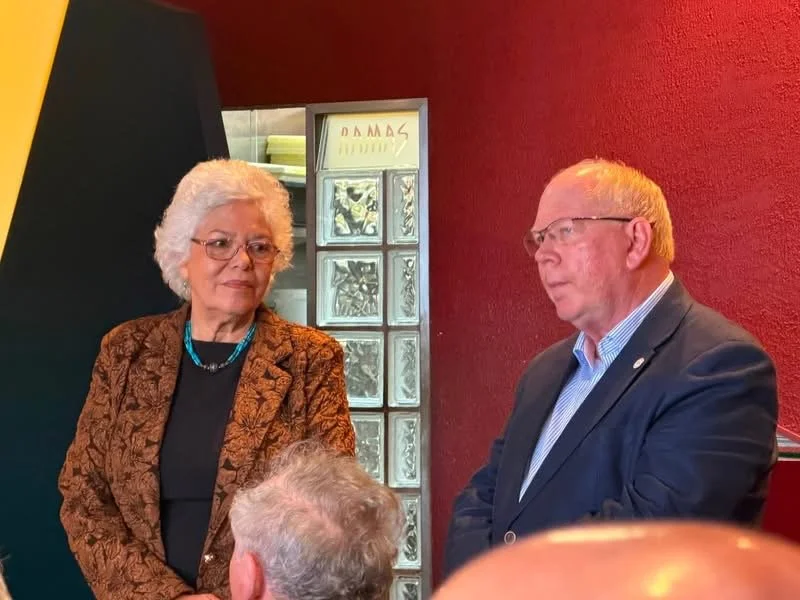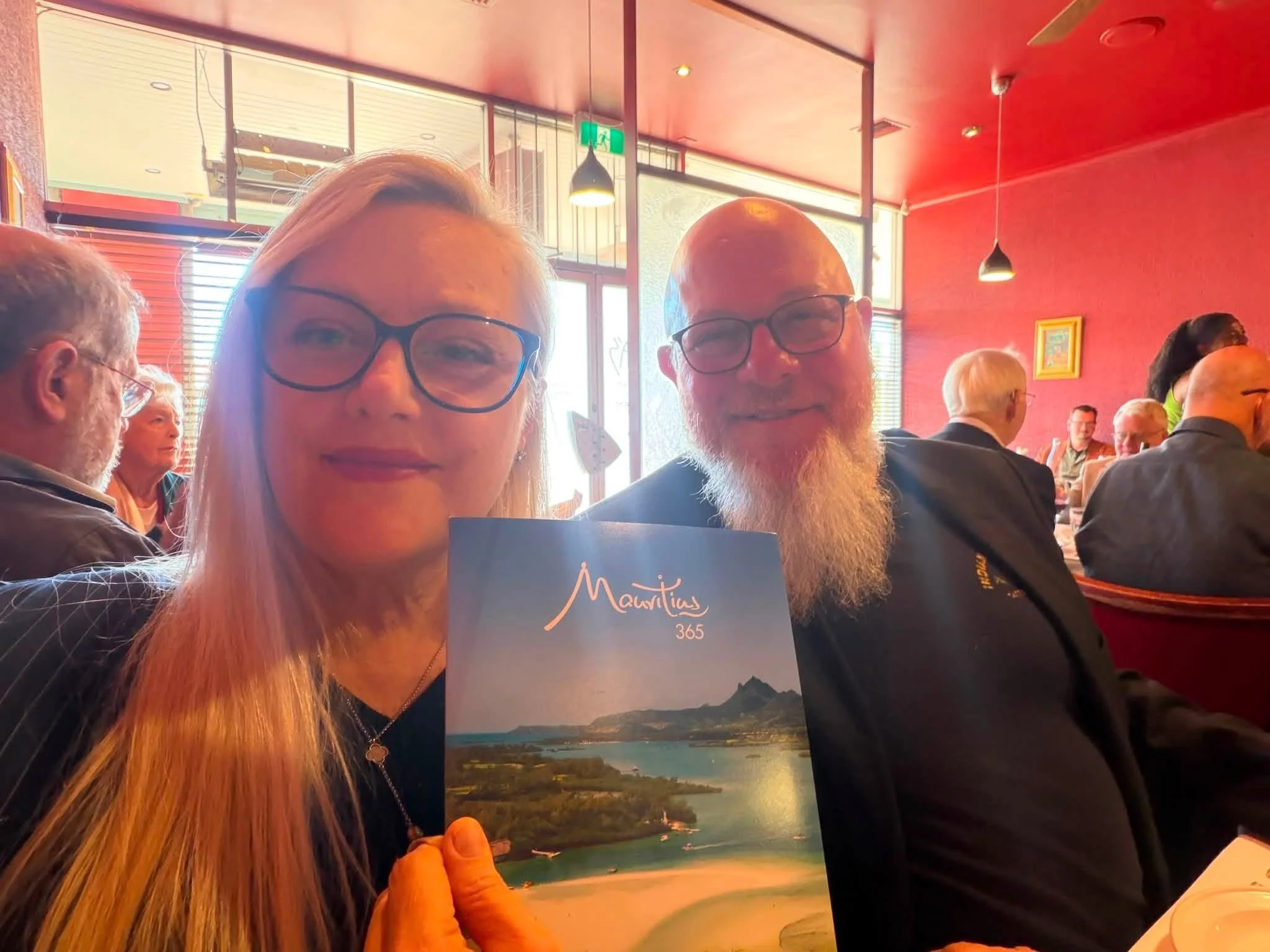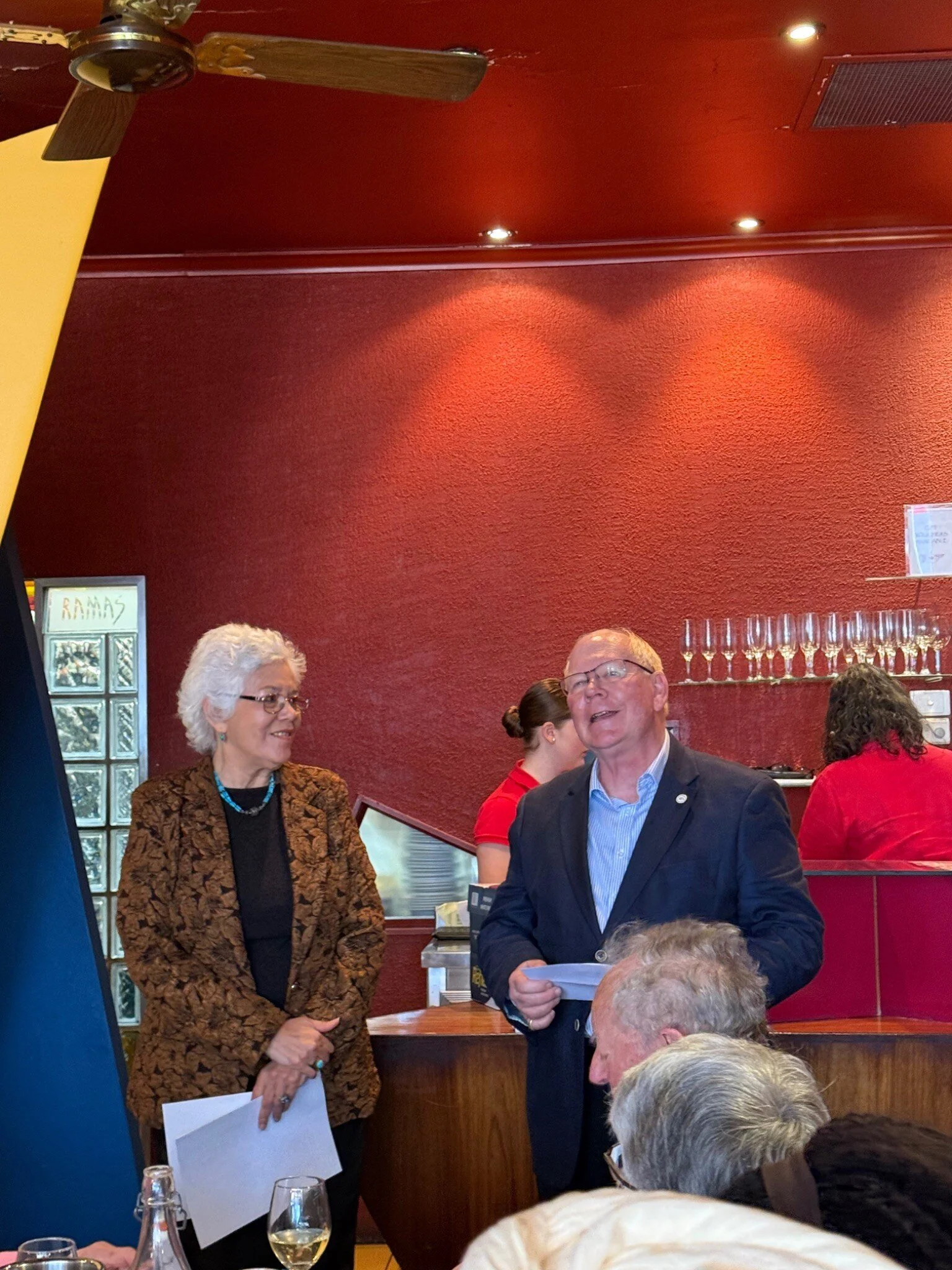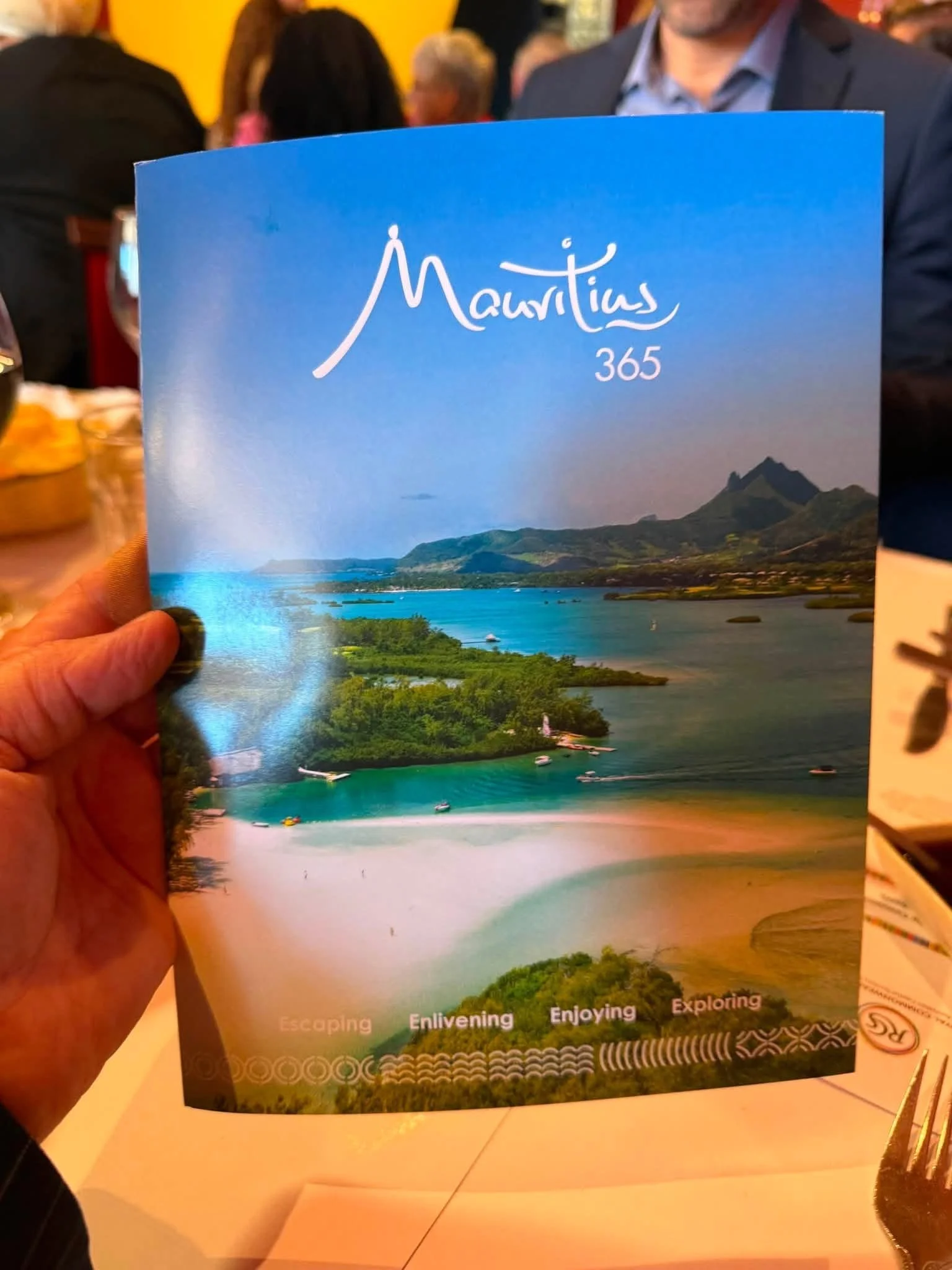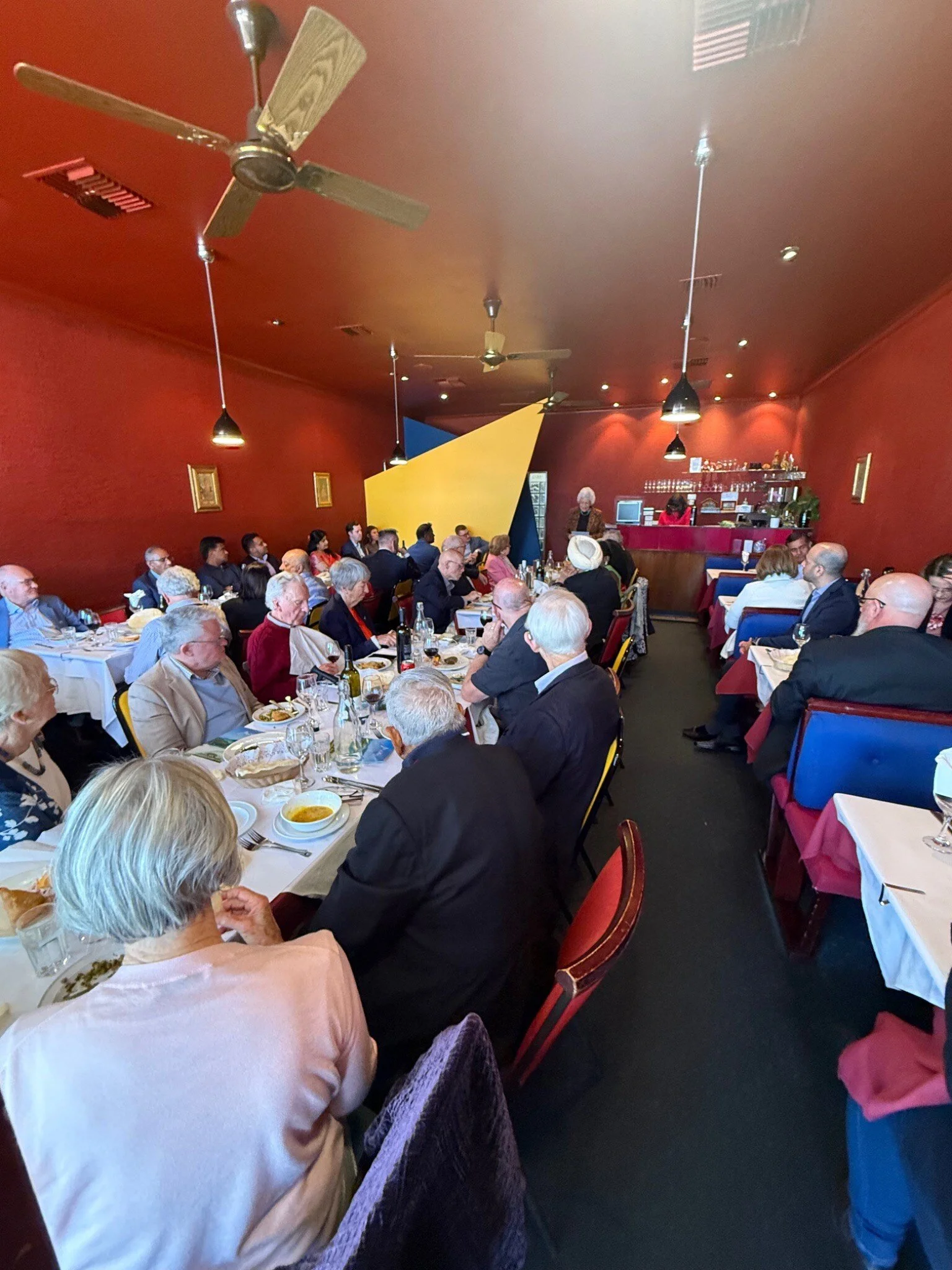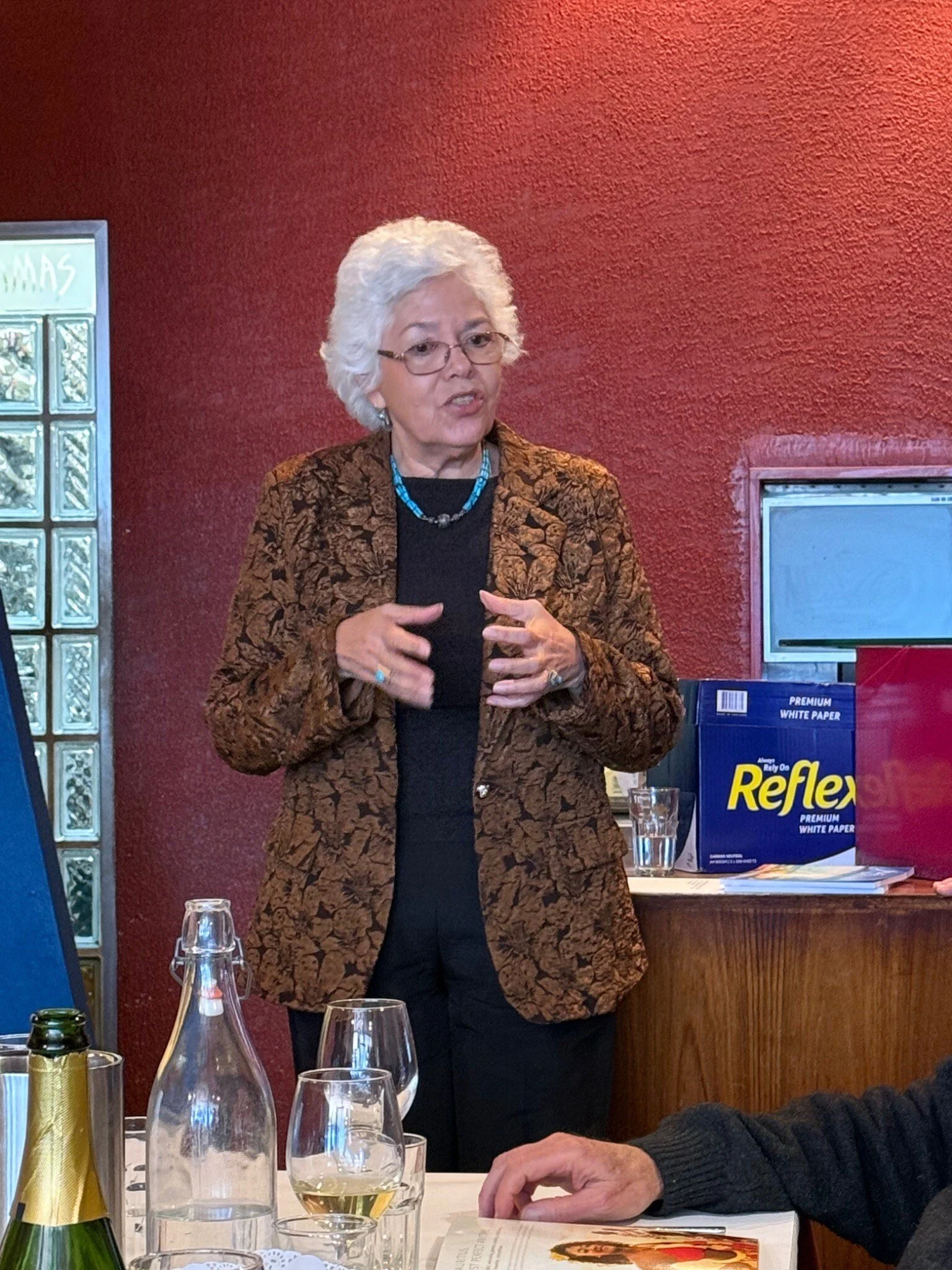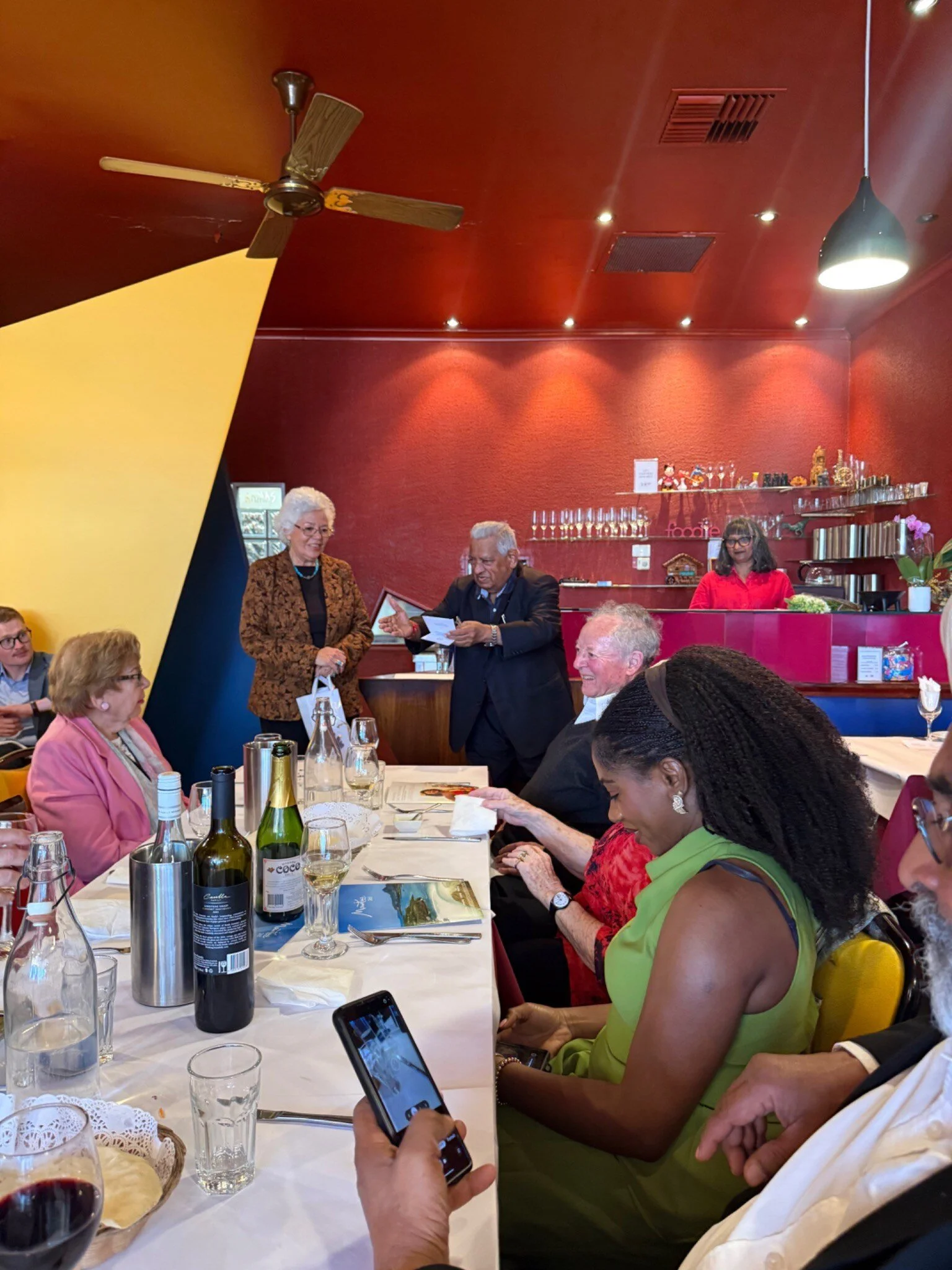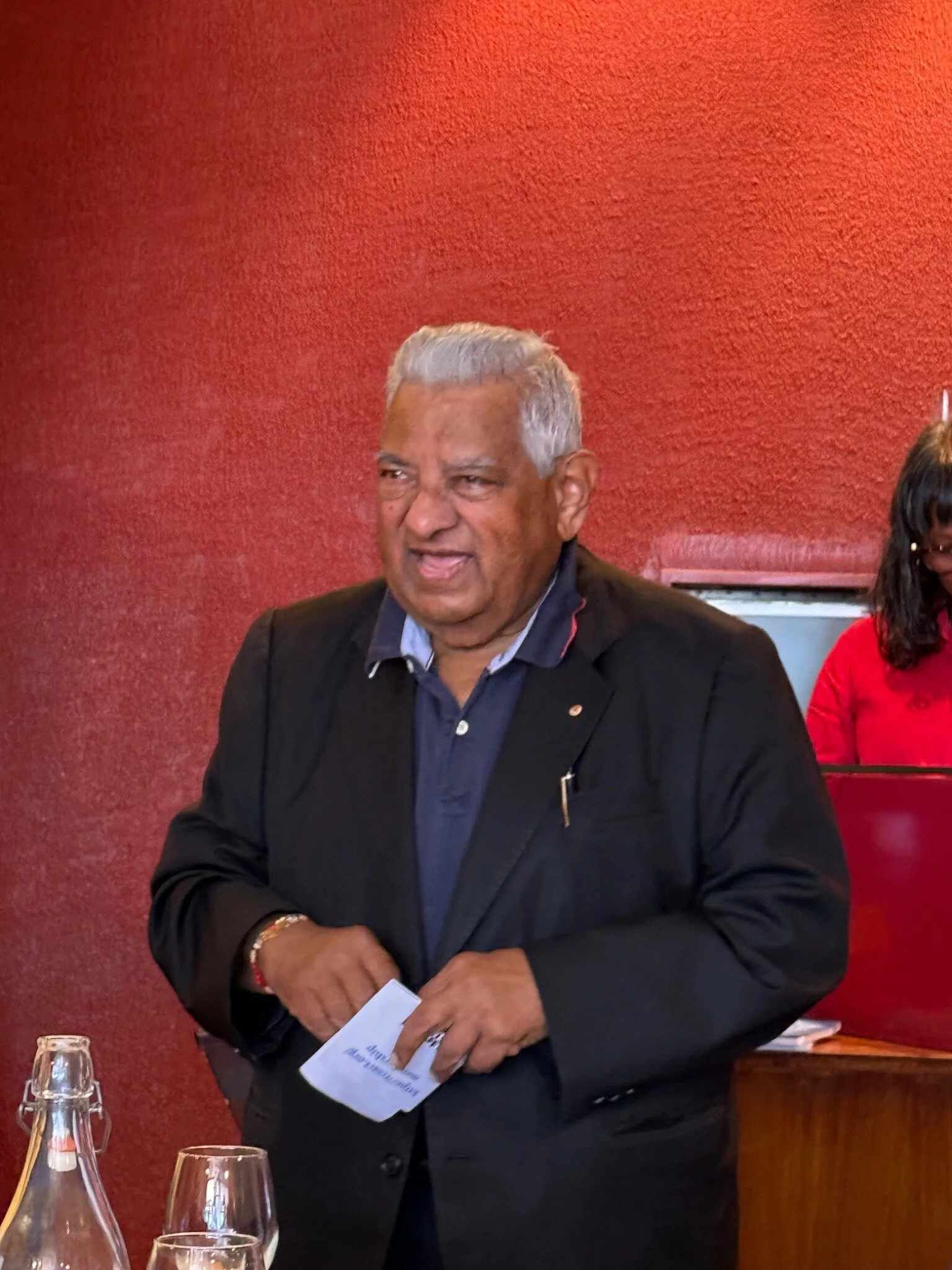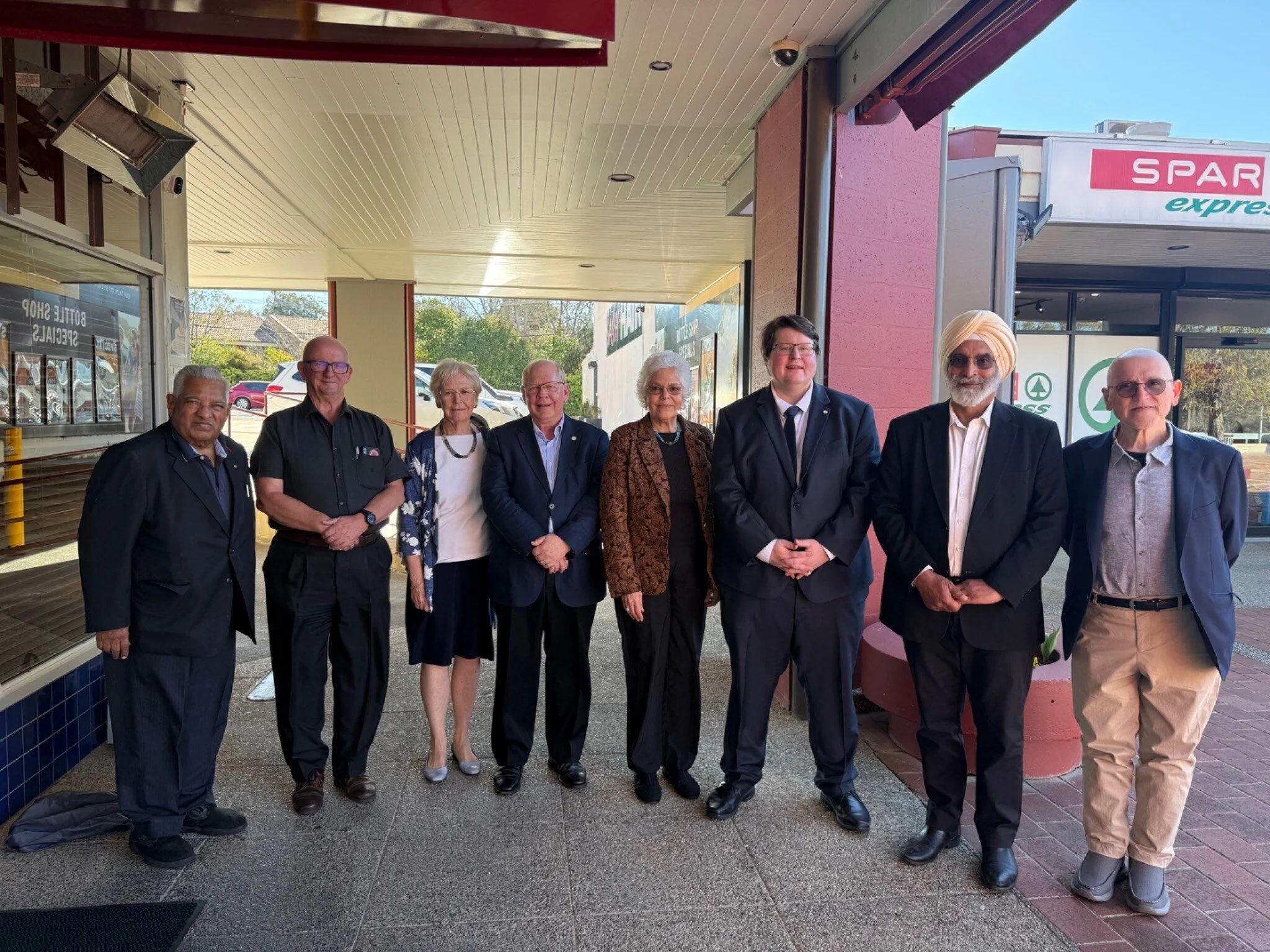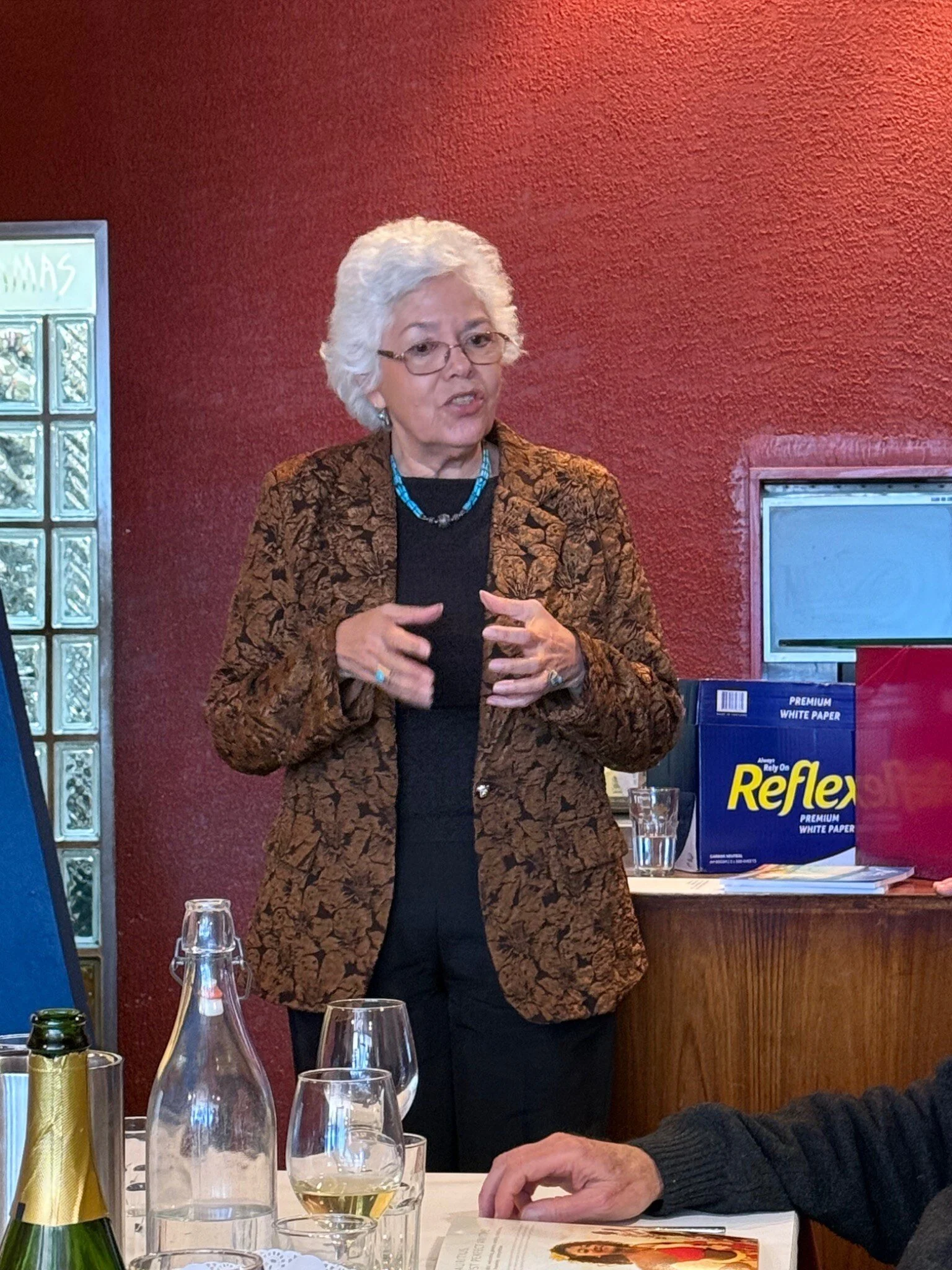
The Royal Commonwealth Society ACT welcomed Her Excellency Ms Sarojini Seeneevassen, High Commissioner of the Republic of Mauritius to Australia, as guest speaker at its Winter Warmer Lunch in Canberra on Sunday, 30 August 2026.
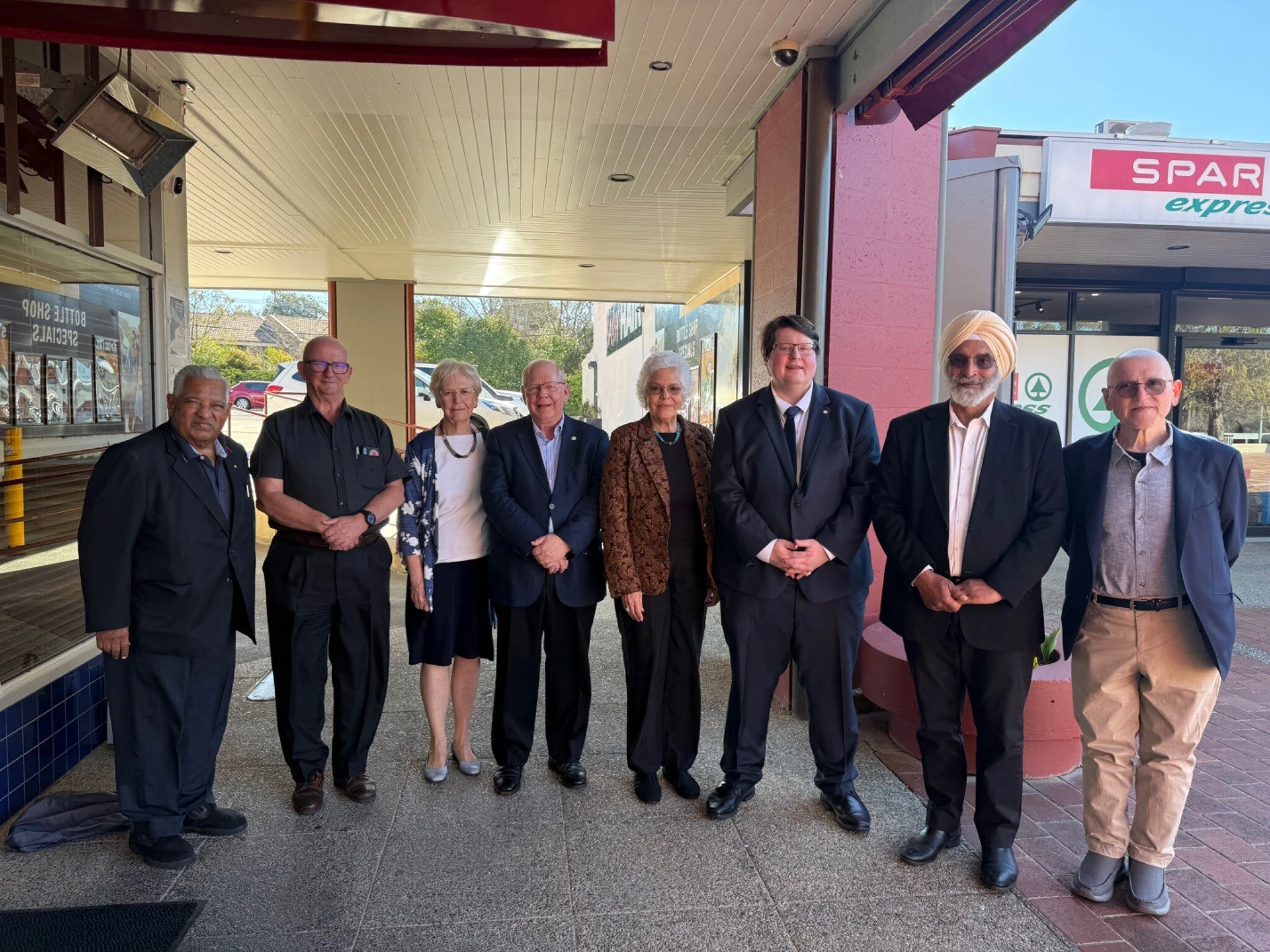
RCA ACT Council with Her Excellency Ms Sarojini Seeneevassen, High Commissioner of the Republic of Mauritius to Australia & His Excellency Mr Clifford Borg-Marks, High Commissioner for Malta to Australia.
Addressing Society members, fellow diplomats and leaders from Canberra’s community, the High Commissioner presented “Mauritius: Beyond Postcards” — an engaging exploration of the history, diversity, achievements and future aspirations of her island nation.
RCS ACT President the Hon. Professor Matthew Neuhaus introduced the High Commissioner and highlighted her distinguished career in marine biology, fisheries, diplomacy and international affairs. Her Excellency previously served as Mauritius’s Ambassador to Germany and as an adviser in the Mauritian foreign affairs and fisheries portfolios before presenting her credentials in Australia in September 2025.
The High Commissioner began by reflecting on the shared values of fellowship, cultural understanding and mutual respect that unite the Commonwealth family.
While Mauritius is internationally celebrated for its white-sand beaches, turquoise waters and outstanding hospitality, Her Excellency invited guests to discover the country’s rich history, vibrant culture and remarkable national story.
Located in the south-west Indian Ocean, approximately 900 kilometres east of Madagascar, Mauritius has a population of about 1.3 million people. Its position at the crossroads of Africa and Asia has helped create a dynamic and outward-looking nation with strong connections across the world.
The High Commissioner traced the island’s history through successive periods of Dutch, French and British influence. She also explored Mauritius’s fascinating connection with the Australian navigator Matthew Flinders, who spent several years on the island during the Napoleonic era.
Flinders travelled extensively in Mauritius and formed friendships within the local community. His time there remains an intriguing historical link between Mauritius and Australia, two nations which today enjoy warm diplomatic and people-to-people relations.
When Mauritius achieved independence in March 1968, it brought together a diverse population with Indian, African, Chinese and European cultural roots. From this diversity, the country forged a distinctive and confident national identity.
English is used in the National Assembly, French remains prominent in business and the media, and Mauritian Creole is the language of everyday life. Hindu, Christian, Muslim and other religious traditions flourish, with major festivals frequently celebrated across community boundaries.
This spirit of inclusion has become one of the defining strengths of Mauritian society. The country demonstrates how different cultures, languages and traditions can enrich a shared national community founded upon cooperation and mutual respect.
Her Excellency also described Mauritius’s impressive economic transformation. Once centred primarily upon sugar, the country successfully diversified into export manufacturing, textiles, tourism, financial services and the digital economy.
Mauritius has developed strong institutions and positioned itself as a bridge for investment between Africa, Asia and the wider world. Its membership of African and regional organisations has strengthened its role as a platform for trade, cooperation and investment across the continent.
Education has been central to the country’s development. Free education from the primary through to tertiary level has supported high literacy, expanded opportunity and helped successive generations contribute to Mauritius’s economic and social progress.
Looking to the future, Mauritius is investing in workforce capability, digital transformation, renewable energy and the blue economy. Sustainable fisheries, marine science and the protection of ocean environments are especially important priorities and offer valuable opportunities for continued cooperation with Australia.
During a lively question-and-answer session, Her Excellency discussed Mauritius’s positive and constructive relationships with countries across the international community. She explained that Mauritius seeks friendship and cooperation with a wide range of partners while maintaining a strong and distinctive national identity.
The High Commissioner also reflected warmly upon the Mauritian diaspora in Australia, one of the largest Mauritian communities outside the country. These extensive family and community connections reinforce a relationship between Australia and Mauritius that reaches back to the earliest period of European settlement in Australia.
Mauritian expertise also contributed to the development of Australia’s sugar industry, adding another important chapter to the longstanding connections between the two countries.
His Excellency Mr Clifford Borg-Marks, High Commissioner for Malta, was also welcomed to the gathering, together with representatives of Canberra’s many communities.
Concluding her address, Her Excellency described Mauritius as much more than a beautiful travel destination. It is a resilient, highly diverse and successful society that has built a strong national identity and an increasingly sophisticated economy.
“Paradise isn’t just something you inherit from nature,” she said. “It is something that people build out of cooperation, education and mutual respect.”
The Royal Commonwealth Society ACT warmly thanks Her Excellency for her thoughtful, informative and uplifting address, and all members and guests who contributed to an afternoon celebrating friendship and the enduring connections of the Commonwealth.
The Society also extends its sincere thanks to Padmini and the team at Rama’s Fiji Indian Restaurant for their warm hospitality, excellent food and generous assistance in making the Winter Warmer Lunch such an enjoyable occasion.